Metrics, Drivers & Consolidation Templates
Turn assumptions into insight. Model the drivers that matter, track KPIs that explain performance, and consolidate across entities - all in one connected financial model.
- Driver-based logic
- KPI-led insight
- Multi-entity ready
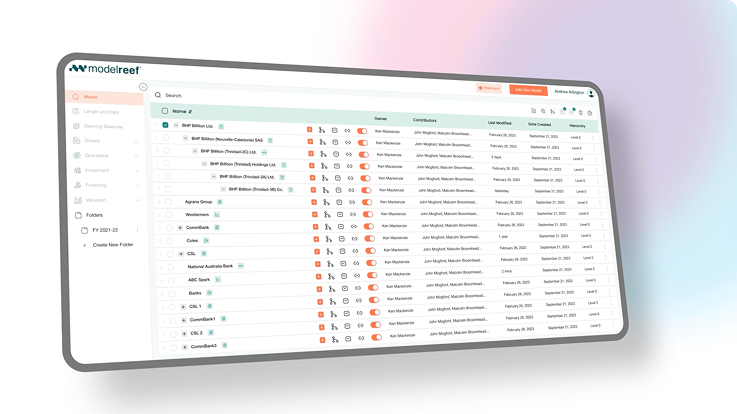
What metrics, drivers & consolidation templates are built to handle
Metrics, Drivers & Consolidation templates focus on the mechanics behind financial outcomes. They are designed to model how businesses actually operate - through demand, growth, costs, efficiency, and scale - and to roll those results up across teams, divisions, or legal entities without breaking consistency.
Operational drivers that explain performance
These templates model the inputs that truly drive results - demand, churn, growth, utilisation, inventory movement, headcount, and cost behaviour so outcomes are explainable, not just forecasted.
KPIs that stay connected to the model
KPIs are calculated directly from the underlying financial logic. When assumptions change, metrics such as CAC, LTV, margins, break-even points, and efficiency ratios update automatically.
Working capital, cost, and efficiency modelling
Understand how inventory, receivables, payables, and operating costs impact cash flow and profitability over time, not just at a point in time.
Consolidation without spreadsheet chaos
Easily consolidate multiple entities, divisions, or business units while keeping assumptions, drivers, and reporting structures consistent across the group.
Metrics, drivers & consolidation templates
Choose a template based on the metric, driver, or consolidation problem you need to solve. Each template opens as a live, fully editable financial model.

Churn & Retention Forecasting

Learn the basics of Model Reef and build your first model.
View template
Working Capital Forecasting
Learn the basics of Model Reef and build your first model.
View template
Multi-Entity Consolidation Forecasting
Learn the basics of Model Reef and build your first model.
View templateHow metrics, drivers & consolidation templates work
Each template is built around a consistent driver-based framework, making it easy to extend models, add entities, and maintain clarity as complexity increases.
Define operational assumptions
Set assumptions such as volumes, growth rates, churn, pricing, cost behaviour, payment terms, and organisational structure. Assumptions are centralised to keep logic clean and auditable.
Apply driver logic and dependencies
Drivers translate assumptions into behaviour - how demand grows, costs scale, inventory moves, customers churn, and metrics evolve over time.
Generate consolidated financial outputs
All drivers flow into fully linked P&L, cash flow, and balance sheet outputs - at both entity and consolidated levels - without manual roll-ups.
Monitor metrics and group performance
Dashboards surface KPIs, trends, and variances across entities, helping teams quickly understand what’s driving results and where attention is needed.
Metrics, drivers & consolidation FAQs
Common questions about using driver-based and consolidation templates.
Related metrics & driver templates Metrics, Drivers & Consolidation Templates
These templates are commonly used together to deepen insight and maintain consistency as models scale.
Working Capital Forecasting
Understand how receivables, payables, and inventory timing impact cash flow and liquidity.
View TemplateCAC & LTV Forecasting
Link customer economics directly to growth, spend, and profitability assumptions.
View TemplateMulti-Entity Consolidation Forecasting
Roll up results across divisions or entities while keeping driver logic consistent and transparent.
View TemplateSee what’s really driving your numbers
Open a metrics, drivers, or consolidation template and access the full Model Reef template library with a free 14-day trial.
Want to explore more? Compare Plans.
Trusted by clients with over US$40bn under management.