Ecommerce & Online Store Forecasting Templates
Forecast revenue, cash flow, inventory, and ad-driven growth for ecommerce businesses - with models built for SKUs, channels, subscriptions, and paid acquisition.
- SKU-level forecasting
- Cash & inventory aware
- Ad-driven growth
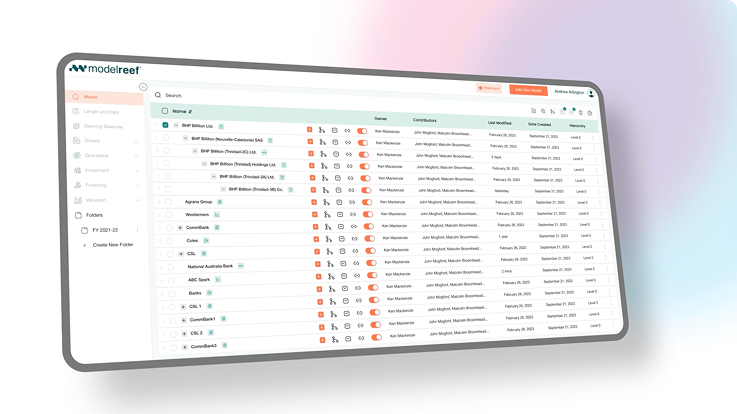
What ecommerce & online store templates are built to handle
Ecommerce & Online Store templates are designed around the unique mechanics of selling online. They model how traffic, conversion, pricing, inventory, fulfilment, and marketing spend interact - and how those interactions impact cash flow, margins, and growth.
Multi-channel revenue and growth
Model revenue across Shopify, Amazon, marketplaces, DTC sites, and subscription channels while keeping assumptions consistent and easy to update.
Inventory, purchasing, and stock timing
Forecast inventory levels, reorders, lead times, and cash tied up in stock so growth doesn’t silently drain liquidity.
Paid acquisition and unit economics
Link marketing spend, ROAS, CAC, and conversion rates directly to revenue and margin outcomes, making ad decisions measurable and explainable.
Seasonality and promotional volatility
Plan for sales spikes, promotions, and holiday periods without breaking the model or rebuilding forecasts from scratch.
Ecommerce & online store templates
Choose a template based on your ecommerce model, sales channels, or growth focus. Each template opens as a live, fully editable financial model.

Ecommerce & Online Storesdtc Brand Revenue Forecasting

Learn the basics of Model Reef and build your first model.
View template
Marketplace Business Forecasting
Learn the basics of Model Reef and build your first model.
View template
Ecommerce Holiday Sales Forecasting
Learn the basics of Model Reef and build your first model.
View template
Ecommerce & Online Stores Ecommerce Forecasting
Learn the basics of Model Reef and build your first model.
View template
Ecommerce & Online Stores Ecommerce Cash Flow Forecasting
Learn the basics of Model Reef and build your first model.
View template
Ecommerce & Online Stores Ecommerce Inventory & Stock Forecasting
Learn the basics of Model Reef and build your first model.
View template
Subscription Box Forecasting
Learn the basics of Model Reef and build your first model.
View templateHow ecommerce & online store templates work
Each template is structured to reflect how online businesses scale - from traffic and conversion through to fulfilment, cash, and profitability.
Define channel and product assumptions
Set assumptions such as SKUs, pricing, discounts, conversion rates, traffic growth, fulfilment costs, and payment timing across sales channels.
Apply growth, marketing, and inventory drivers
Drivers control how traffic scales, ads convert, inventory moves, and costs behave as volume increases or promotions change.
Generate ecommerce-ready financial statements
All assumptions and drivers flow into fully linked P&L, cash flow, and balance sheet outputs - including inventory, working capital, and margin impacts.
Monitor performance and cash risk
Dashboards surface revenue, margins, ROAS, inventory levels, cash balance, and break-even points so risks are visible before they become problems.
Ecommerce forecasting FAQs
Common questions about using ecommerce and online store templates.
Related ecommerce forecasting templates Ecommerce & Online Store Forecasting Templates
These templates are often used together to manage growth, cash, and marketing performance.
Shopify Store Forecasting
Model Shopify-specific revenue, conversion, and fulfilment dynamics in detail.
View TemplateEcommerce Inventory & Stock Forecasting
Plan inventory purchases and stock levels to support growth without over-extending cash.
View TemplateROAS Forecasting
Understand how advertising spend translates into revenue, margin, and cash outcomes.
View TemplateForecast ecommerce growth without losing control of cash
Open an ecommerce forecasting template and access the full Model Reef template library with a free 14-day trial.
Want to explore more? Compare Plans.
Trusted by clients with over US$40bn under management.